

























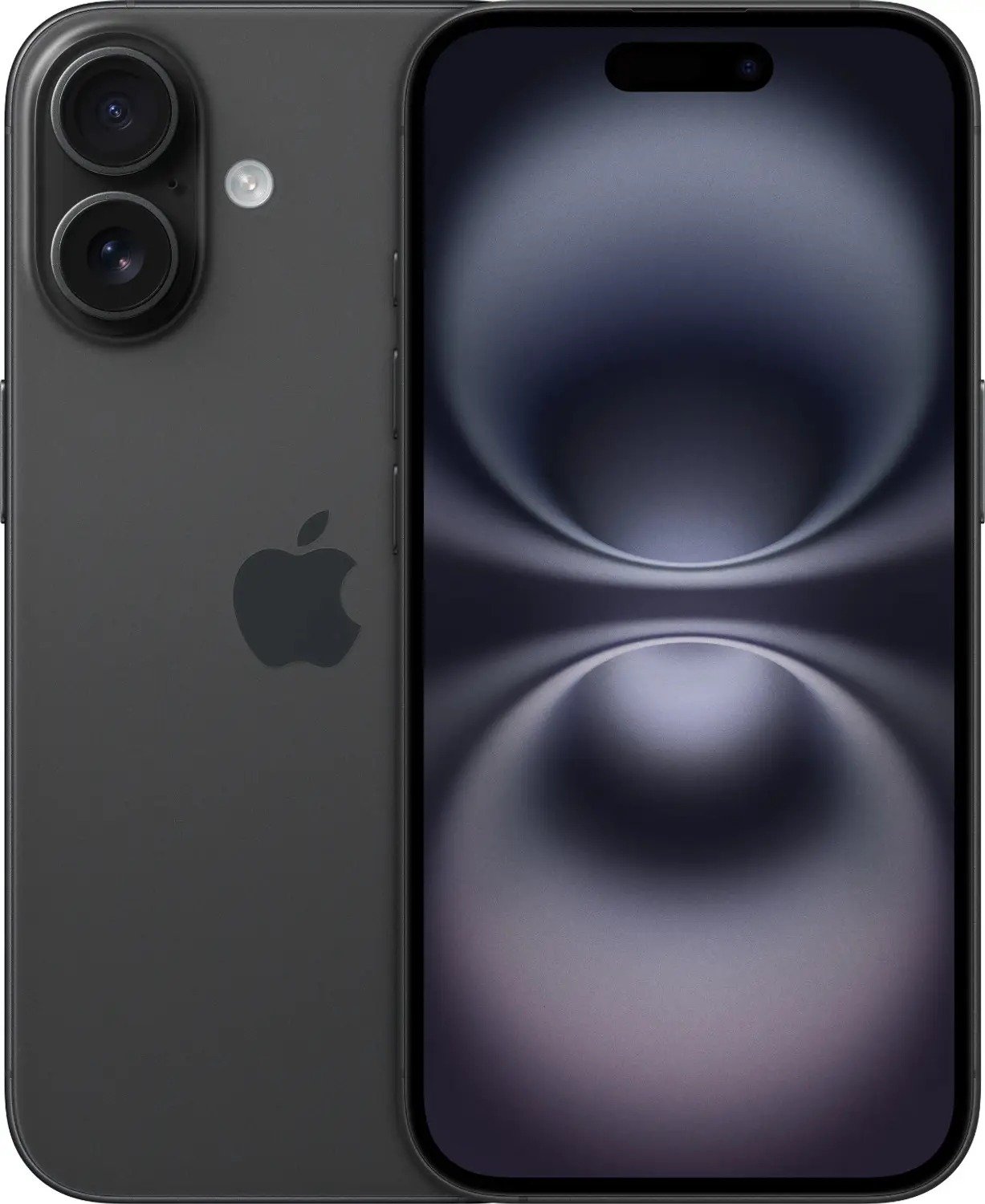
iPhone 17: Innovation, Incrementalism, and the Critical Question of Apple’s Future
Introduction
iPhone 17. Each new iteration of the iPhone arrives with enormous expectations, not only from loyal Apple users but also from critics, competitors, and the broader tech industry. As discussions and speculation around the iPhone 17 begin to emerge, an important question arises: Is Apple still innovating, or is it relying too heavily on brand loyalty and incremental upgrades?

This critical essay examines the iPhone 17 as a concept and expected product, analyzing Apple’s design philosophy, technological direction, pricing strategy, software ecosystem, and broader social and economic impact. Rather than serving as a promotional piece, this analysis seeks to evaluate whether the iPhone 17 represents meaningful progress or a continuation of Apple’s increasingly cautious approach.
The Legacy Pressure on iPhone 17
Apple’s greatest strength is also its biggest burden: its own legacy. Groundbreaking moments such as the introduction of the touchscreen interface, the App Store, Face ID, and Apple Silicon raised consumer expectations to extraordinary levels. The iPhone 17, therefore, does not exist in isolation—it carries the weight of nearly two decades of innovation.
Critically speaking, recent iPhone generations have been accused of offering evolution rather than revolution. While performance improvements, camera enhancements, and display refinements continue, many users question whether these changes justify annual upgrades. The iPhone 17 is thus expected to face scrutiny not for what it includes, but for what it fails to fundamentally change.
Design Philosophy: Refinement or Repetition?
Apple is famous for its minimalist and premium design language. The iPhone’s clean lines, high-quality materials, and consistent aesthetic contribute significantly to its brand value. However, from a critical standpoint, Apple’s design strategy has become increasingly conservative.
If the iPhone 17 continues the trend of minor visual tweaks—slightly thinner bezels, marginal weight reduction, or subtle material changes—it risks reinforcing the perception that Apple prioritizes safe refinement over bold experimentation. In contrast, competitors frequently explore foldable displays, modular designs, and unconventional form factors.
While Apple’s cautious approach ensures reliability and polish, it also raises a valid critique: Has Apple become too risk-averse? The iPhone 17, if visually indistinguishable from its predecessors, may struggle to inspire excitement beyond loyal users.
Display Technology: Excellence Without Ambition?
Apple’s displays are widely praised for color accuracy, brightness, and responsiveness. However, innovation in display technology has largely plateaued across the smartphone industry. The iPhone 17 is expected to maintain high standards, but the critical question remains whether Apple will push boundaries or merely maintain them.
Features such as higher refresh rates, improved energy efficiency, or enhanced outdoor visibility may be present, yet these improvements are increasingly seen as baseline expectations rather than breakthroughs. If Apple continues to reserve advanced display features exclusively for premium models, it may further widen the gap between affordability and innovation—an approach that has drawn criticism for prioritizing profit segmentation over user value.
Performance and Hardware: Power Beyond Practical Use
Apple’s processors consistently outperform competitors in benchmarks and real-world performance. The hypothetical chip powering the iPhone 17 will almost certainly be faster, more efficient, and more capable than its predecessor. However, this leads to an important critical observation: Do users actually need this level of power?
For most consumers, everyday tasks such as messaging, browsing, photography, and streaming already run flawlessly on older iPhones. Incremental performance gains, while technically impressive, often lack tangible benefits for average users. The iPhone 17 risks becoming a showcase of engineering excellence that exceeds practical necessity.
This raises concerns about planned obsolescence and artificial differentiation, where performance improvements serve marketing narratives more than genuine user needs.
Camera System: Innovation or Computational Saturation?
Apple has heavily marketed the iPhone as a professional-grade camera replacement. With each new generation, photography and videography capabilities receive significant attention. The iPhone 17 is expected to further refine computational photography, low-light performance, and video stabilization.
Critically, however, smartphone cameras may be approaching diminishing returns. Differences between successive generations are often subtle and noticeable only under specific conditions. For many users, camera improvements feel incremental rather than transformative.

Moreover, Apple’s emphasis on computational photography raises philosophical questions about authenticity. Images are increasingly shaped by algorithms rather than optics, leading critics to argue that smartphones no longer capture reality but instead interpret it according to software preferences.
Software Ecosystem: iOS Stability vs. User Freedom
One of Apple’s greatest strengths is its tightly controlled ecosystem. iOS is known for stability, security, and long-term software support. The iPhone 17 will undoubtedly benefit from these advantages, offering seamless integration with other Apple products.
However, this same ecosystem is often criticized for being restrictive. Limited customization, strict App Store policies, and closed system architecture frustrate users who desire greater control over their devices. While Apple frames these limitations as necessary for security and user experience, critics argue that they primarily serve Apple’s commercial interests.
If the iPhone 17 continues this trend without offering increased transparency or flexibility, it may reinforce concerns that Apple prioritizes ecosystem lock-in over user empowerment.
Battery Life and Sustainability: A Persistent Weak Point
Battery performance remains one of the most persistent criticisms of modern smartphones. While Apple has improved efficiency over time, battery longevity and replacement costs remain contentious issues.
The iPhone 17 is expected to emphasize energy efficiency, but unless Apple fundamentally rethinks battery design, users may continue to experience degradation over time. Additionally, Apple’s sustainability claims are often questioned due to:
-
Non-removable batteries
-
Expensive official repairs
-
Limited third-party repair support
From a critical perspective, true sustainability would require Apple to balance sleek design with repairability and longevity, an area where the company has been slow to compromise.
Pricing Strategy: Premium or Exclusionary?
Apple’s pricing strategy has increasingly positioned the iPhone as a luxury product. The iPhone 17 is likely to follow this trend, potentially pushing prices even higher.
While Apple justifies premium pricing through build quality, performance, and ecosystem value, critics argue that escalating costs exclude a significant portion of consumers. The gap between flagship models and affordability continues to widen, raising ethical and economic concerns about accessibility.
This pricing approach also reinforces the perception of the iPhone as a status symbol, rather than a universally accessible technological tool.
Social and Cultural Impact
The iPhone’s influence extends beyond technology into culture and behavior. The iPhone 17 will inevitably contribute to ongoing discussions about screen addiction, digital dependency, and privacy.
While Apple emphasizes privacy as a core value, critics note that smartphones—including iPhones—still play a central role in data-driven economies and attention-based business models. The question is not whether Apple is better than competitors, but whether it is doing enough to address the broader societal consequences of smartphone dependence.
Conclusion: A Defining Moment or Another Safe Step?
The iPhone 17 represents more than just another smartphone release; it is a test of Apple’s vision for the future. From a critical standpoint, the device is likely to embody Apple’s strengths—performance, polish, ecosystem integration—while also highlighting its limitations: conservatism, high pricing, and incremental innovation.
If the iPhone 17 merely refines existing ideas without challenging assumptions, it may reinforce the narrative that Apple is prioritizing stability and profit over bold creativity. However, if Apple uses this generation to rethink design, sustainability, and user autonomy, the iPhone 17 could mark a renewed commitment to meaningful innovation.
Ultimately, the success of the iPhone 17 will not be measured solely by sales figures or benchmarks, but by whether it addresses the growing desire for technology that is not only powerful, but also purposeful, accessible, and responsible.